The Science of Hyaluronan: Re-lubricating Aging Joints
Last Updated: • By Editorial Team • 6 min read
The "Wear and Tear" Myth
For decades, doctors have told patients that age-related joint pain is simply "wear and tear." The prevailing theory was that over time, the cartilage in our knees, hips, and hands simply rubs away like the brake pads on a car.
Because of this theory, the supplement industry flooded the market with cartilage-building supplements like Glucosamine and Chondroitin. The problem? For millions of people, these supplements do absolutely nothing to stop the pain.
The Real Culprit: Synovial Fluid Loss
Recent breakthrough studies have revealed that cartilage degradation is a symptom, not the root cause. The real cause of age-related joint decay is the loss of synovial fluid—the thick, lubricating jelly that surrounds your joints.
What is Synovial Fluid?
Imagine a rusty door hinge. You wouldn't try to add more metal to the hinge to stop the squeaking; you would add oil. Synovial fluid is the oil for your joints. It cushions the bones, provides nutrients to the cartilage, and allows for smooth, frictionless movement.
The Role of Hyaluronan
The main molecule that gives synovial fluid its thick, lubricating texture is called Hyaluronan (or Hyaluronic Acid). When we are young, our bodies produce abundant amounts of hyaluronan. However, as we age, an enzyme starts breaking down our hyaluronan faster than we can produce it.
By age 50, your hyaluronan levels plummet. Your synovial fluid becomes thin and watery. Without that protective cushion, your cartilage is left exposed to rub bone-on-bone, leading to severe inflammation, stiffness, and pain.
Why Glucosamine Fails
Taking Glucosamine to fix joint pain without restoring your synovial fluid is like replacing the brake pads on a car while ignoring that the brake fluid is completely empty. You can try to feed your body all the cartilage-building blocks in the world, but if the joint is dry and grinding, the new cartilage will just be destroyed immediately.
How to Re-Lubricate Your Joints
To effectively support joint comfort, you must address the root cause: you must support healthy hyaluronan levels to help re-thicken your synovial fluid.
- Hydration: Synovial fluid is primarily water bound to hyaluronan molecules. Drink at least 8 glasses of water a day.
- Avoid Inflammatory Foods: Refined sugars and processed seed oils increase the enzymes that break down hyaluronan.
- Supplement with Bioavailable Hyaluronan: You need a clinically proven form of hyaluronan that can actually survive digestion and reach your joints.
The Breakthrough: Mobilee®
Standard hyaluronic acid supplements are often poorly absorbed. However, a patented ingredient called Mobilee® has been shown in clinical trials to multiply the body's natural production of hyaluronan by an astonishing factor. By taking Mobilee®, you can rehydrate and thicken your synovial fluid from the inside out.
Ready to restore your joint mobility?
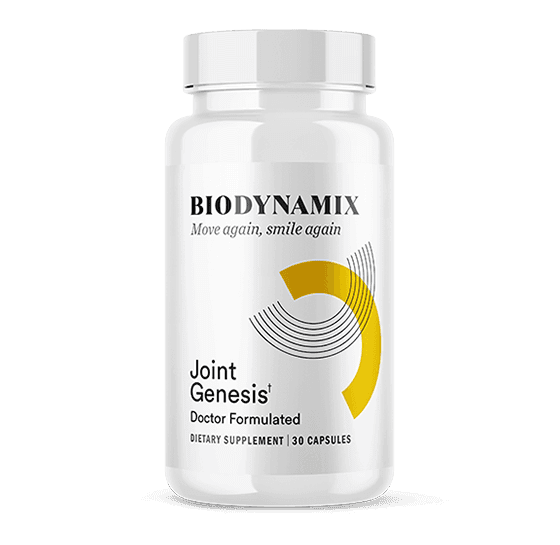
Read our comprehensive review of Joint Genesis, the only joint supplement that combines Mobilee® with French Maritime Pine Bark to stop hyaluronan breakdown at the source.
Read the Joint Genesis Review →